HIGHLIGHT
“Well, healing is going to happen, either by a miracle… or by morphine.”
Those were some of my opening words a few Sundays ago.
At 1:30 a.m. — about seven and a half hours before I was scheduled to preach — I felt the early signs of a sickle cell crisis. By 7:00 a.m., it wasn’t “early signs” anymore; it was a full-blown crisis. Everything hurt — walking hurt, lifting my hands hurt, even talking hurt. When I say everything, I mean everything.
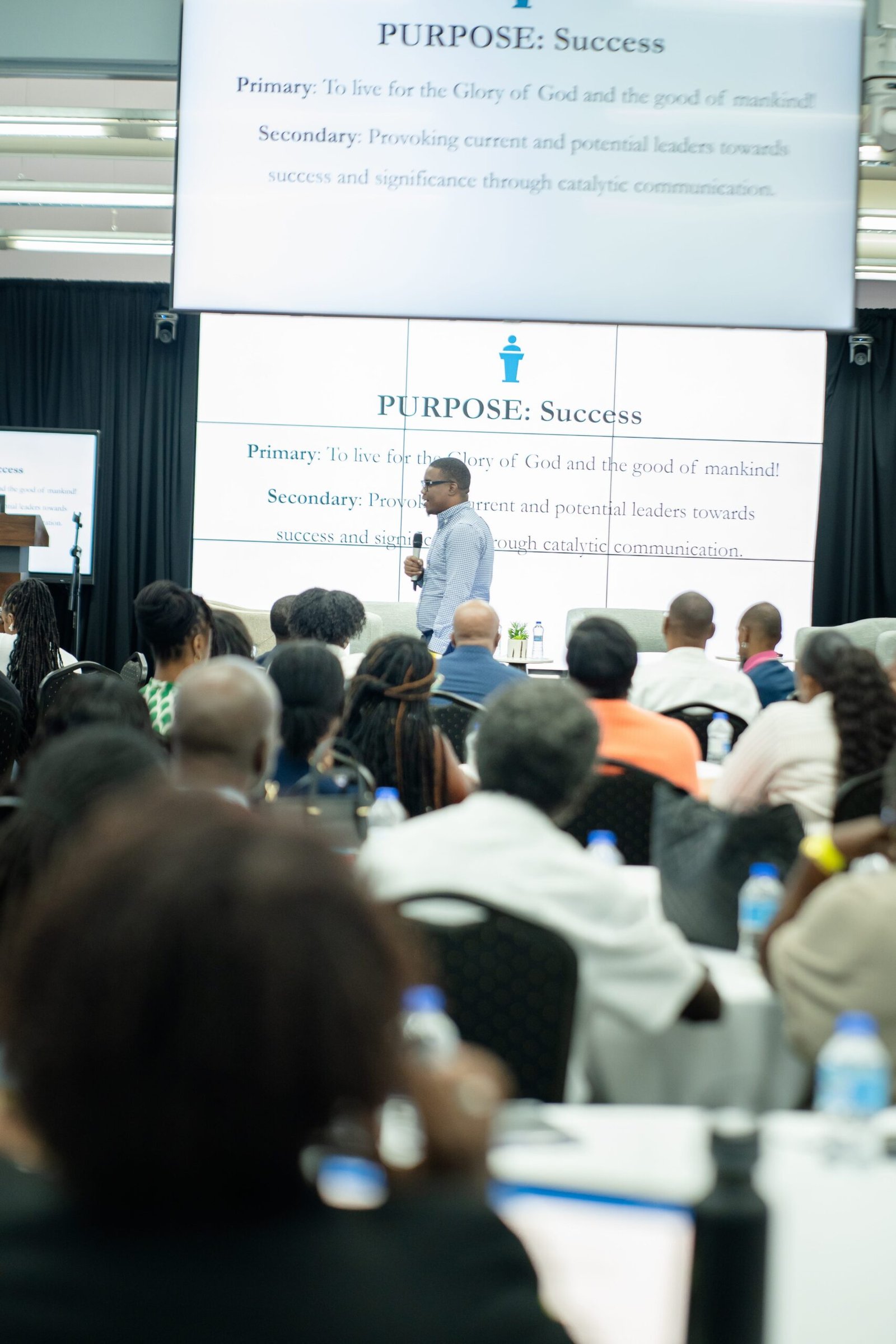
I took the medication I had at home, and it did nothing. Not even the slightest edge off the pain. Still, I got dressed and showed up. I stood behind the pulpit, introduced my sermon, and the miracle of immediate pain relief didn’t happen. So morphine it was. After the final “Amen,” I walked off the stage and went straight to Urgent Care. The pain didn’t fully lift for five days. The only miracle that morning was that I got through the message without collapsing on the platform.
I already know there will be mixed reactions. Some will say I should have canceled. Others will say I demonstrated resilience. Both are valid. Both are things I need to hear.
But let me let you into my internal reality. With chronic illness, something is almost always wrong. If I wait until I feel perfect to live, I will never live. If I wait until nothing hurts to build, I will never build. If I wait until I feel strong to lead, I will never lead. So I have had to learn how to function in discomfort. The tension — and this is where the real work is — is learning when discomfort is something to endure and when it is something to respect. When to push. When to pause. That line is thin, and I do not always get it right.
INSIGHT
This experience reminded me of two realities.
The first is that many of us are waiting for pain-free conditions before we act. We tell ourselves, “When this settles, I’ll move. When I feel better, I’ll start. When things calm down, I’ll commit.” But life rarely offers clean conditions. Leadership rarely feels convenient, purpose rarely feels comfortable, and growth rarely feels painless. If you wait for clarity without tension, you will wait forever. If you wait for strength without strain, you will never discover how strong you actually are. If you wait for a season where nothing is stretching you, you will never expand.
The truth is, most of the meaningful things we build are built in imperfect conditions. Businesses are launched in uncertainty, families are led in exhaustion, ministries are stewarded in weakness, and movements are birthed in adversity. The question is not whether discomfort will accompany your assignment — it surely will. The question is whether you will allow discomfort to disqualify you.
But here is the second reality.
Not every push is wisdom.
There is a version of perseverance that is actually pride — a quiet refusal to admit limits driven by a subtle desire to prove something to yourself or to others. There is a version of endurance that is ego dressed up as faithfulness. There is a version of “commitment” that ignores the signals your body, your mind, or even your spirit is sending you. Maturity is not just about pushing through at all costs and at all times. Often, it is about discerning the difference between sacrifice and self-sabotage.
Sacrifice strengthens capacity. Self-sabotage depletes it.
Sacrifice is aligned with purpose. Self-sabotage is driven by pressure.
Sacrifice might leave you tired but fulfilled. Self-sabotage leaves you depleted and resentful.
Some pain is resistance you must overcome. Some pain is a warning you must respect. One builds resilience. The other demands rest and recalibration. If you do not learn the difference, you will live at one of two extremes. You will either become timid — constantly retreating at the first sign of discomfort — or you will burn out, confusing exhaustion for excellence. Neither is sustainable.
Sustainable impact requires rhythm, self-awareness, the humility to admit, “I need help,” and the courage to say, “I’m still moving.” The goal is not a pain-free life. The goal is a wise life — one where you know when to press forward and when to step back, when to endure and when to rest, when to believe for a miracle and when to accept the morphine. That discernment is not automatic; it is cultivated. Honestly, it is probably one of the most important leadership skills you will ever develop.
IGNITE
So here is what I want you to wrestle with this week.
Where are you waiting for perfect conditions before you move? And where are you forcing progress when you actually need to pause?
Be honest with yourself: is your hesitation wisdom or fear? Is your push discipline or ego?
You cannot build a life of impact on extremes. You need rhythm, discernment, the courage to move, and the humility to rest. Healing might happen one way or another. But who you become in the tension between the miracle and morphine — that is the real work.